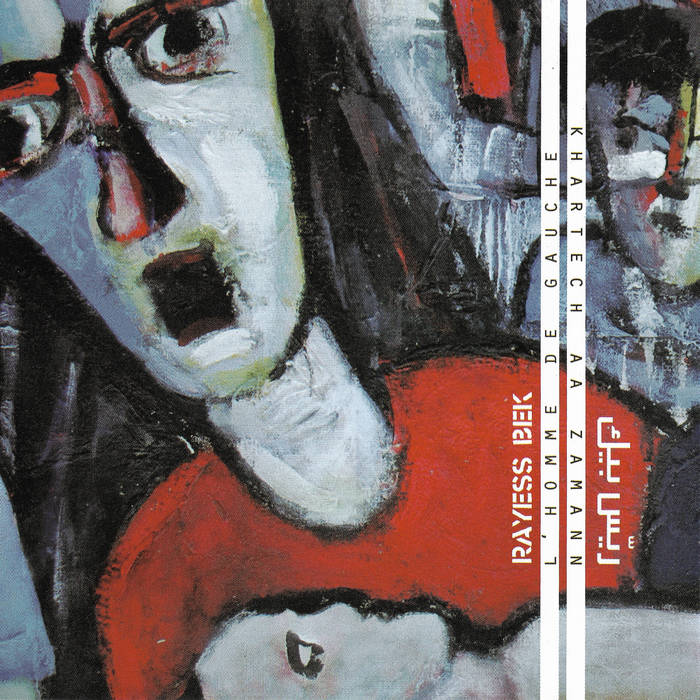
- 1 Rayess Bek : 30 02:52
- 2 Rayess Bek : La min? 03:46
- 3 Rayess Bek : Khartech 3a Zaman 05:20
- 4 Rayess Bek : Samm 03:20
- 5 Rayess Bek : intikhabet 09 05:41
- 6 Rayess Bek : Manem 04:04
- 7 Rayess Bek : Baghdad 03:55
- 8 Rayess Bek : Rap 03:23
- 9 Rayess Bek : Keskonatten 03:30
- 10 Rayess Bek : L’homme de gauche 04:02
- 11 Rayess Bek : Musulman 04:07
- 12 Rayess Bek : Herbes Folles 04:31
- 13 Rayess Bek : mon C.V. 02:46
- 14 Rayess Bek : Ca va mal 03:38
- 15 Rayess Bek : Schizophrenia 04:00
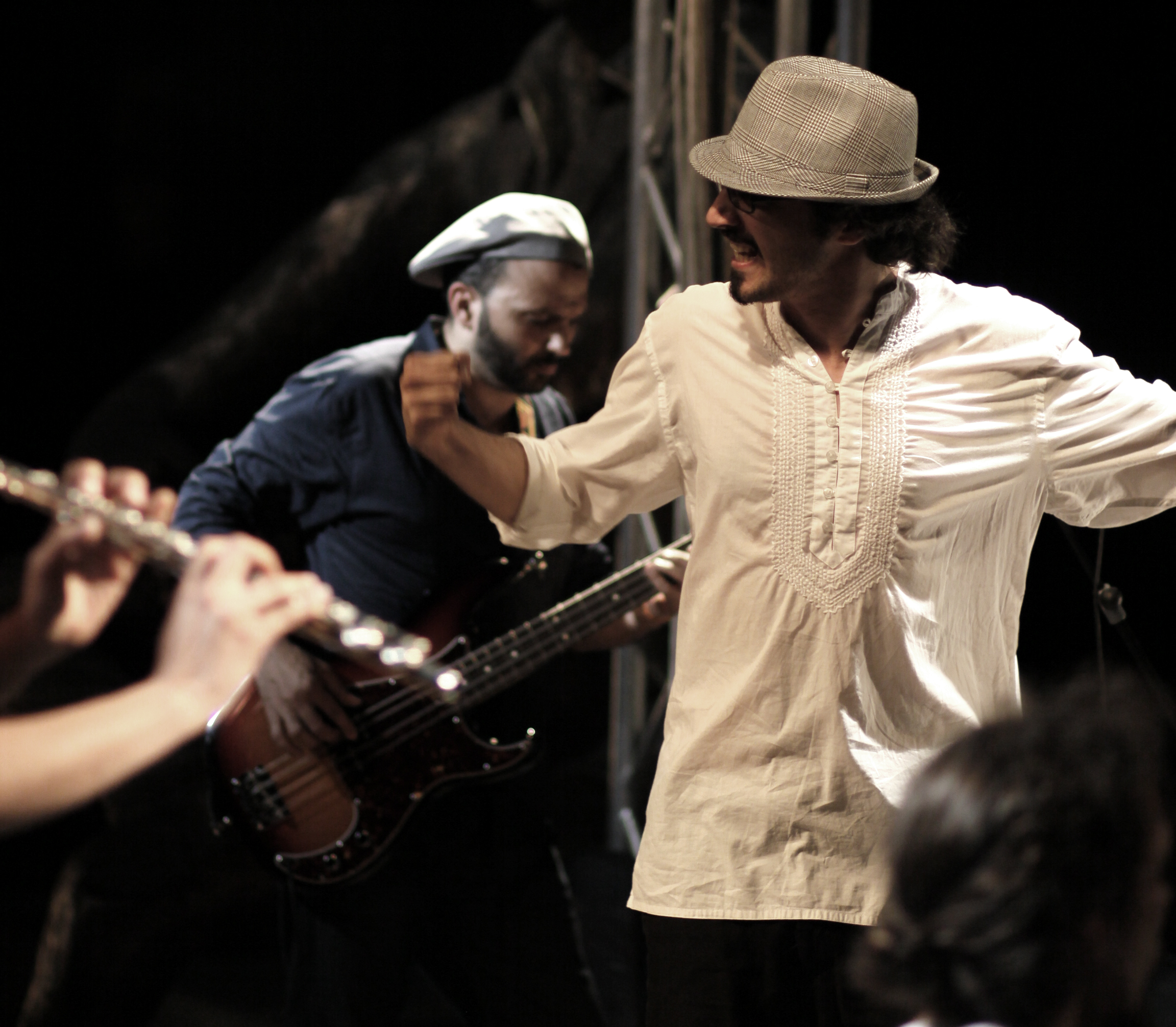
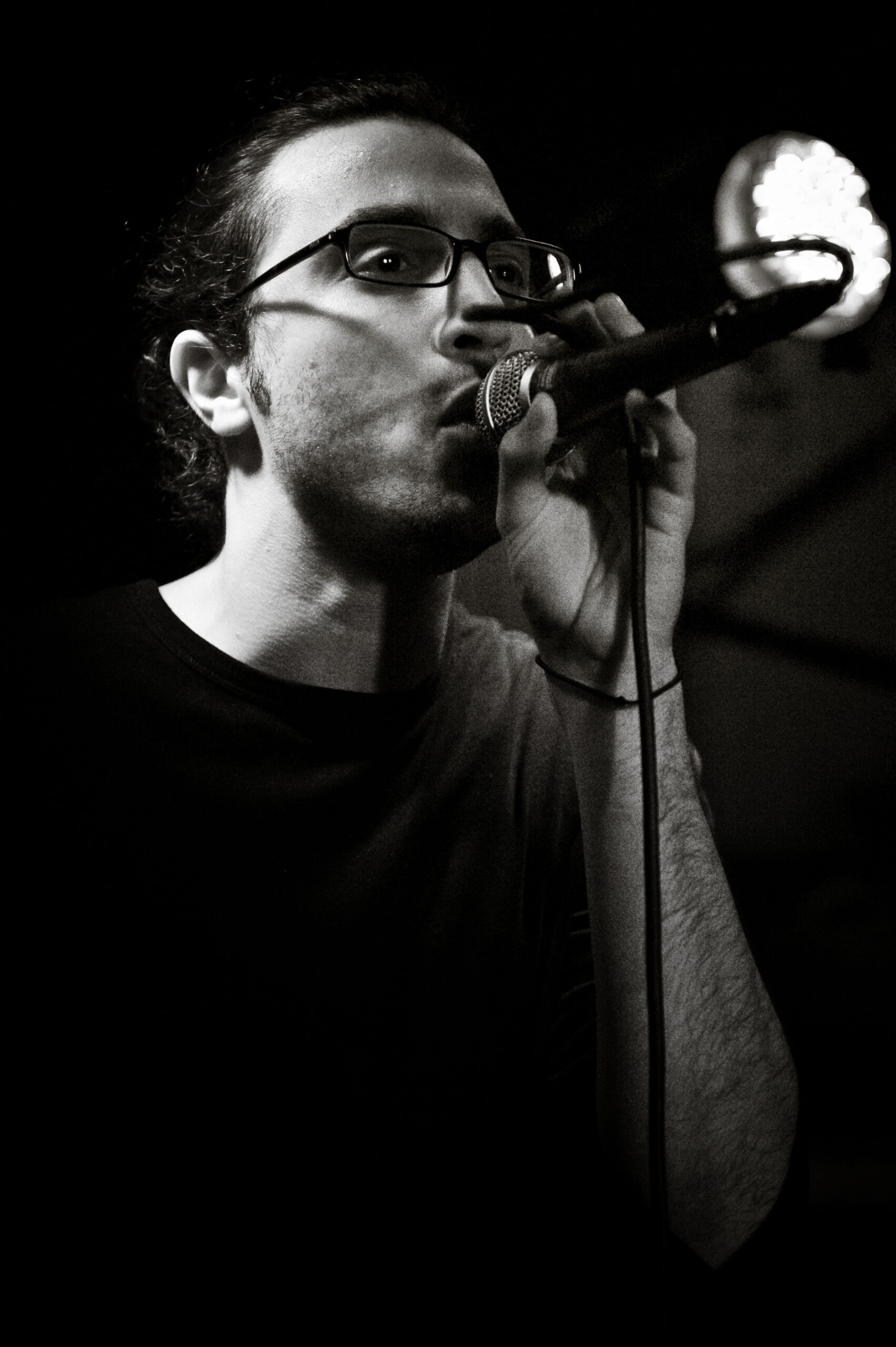
Rayess Bek Hip Hop Legacy
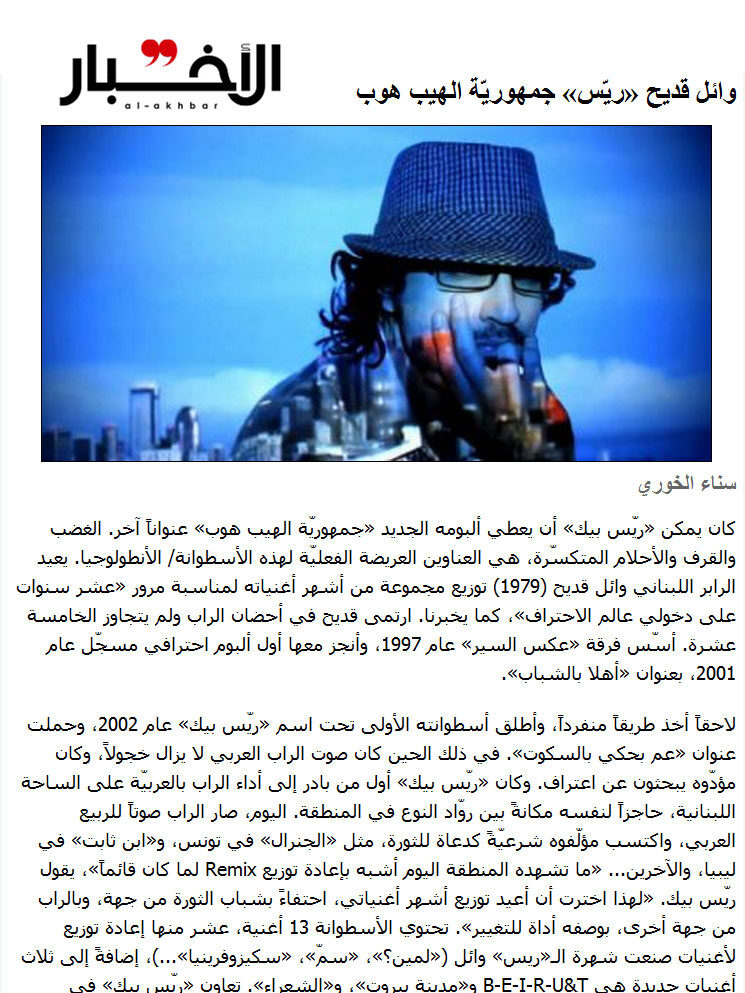
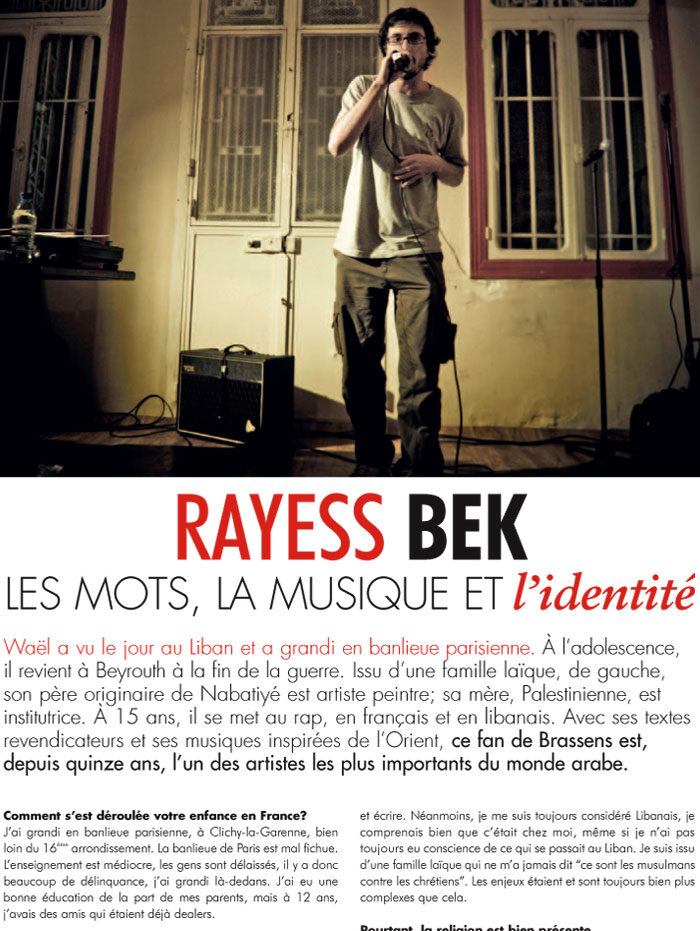
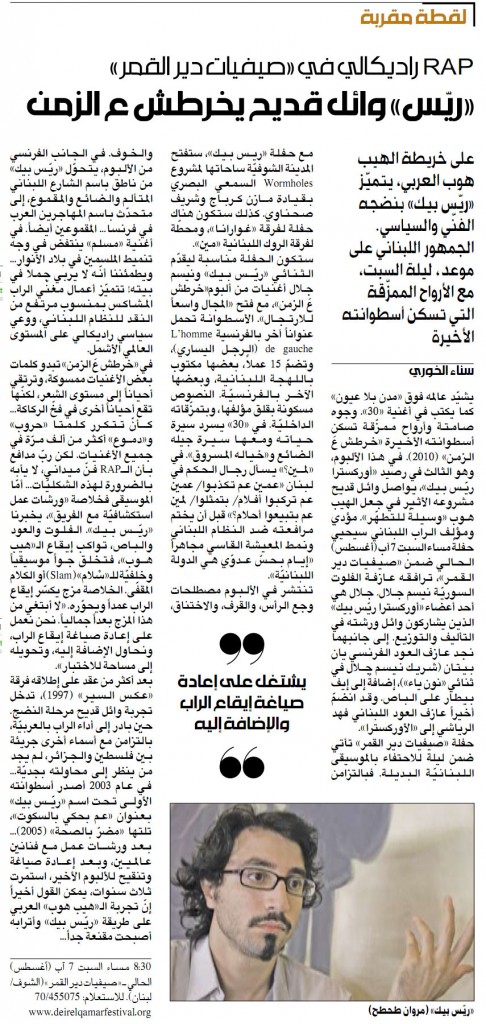
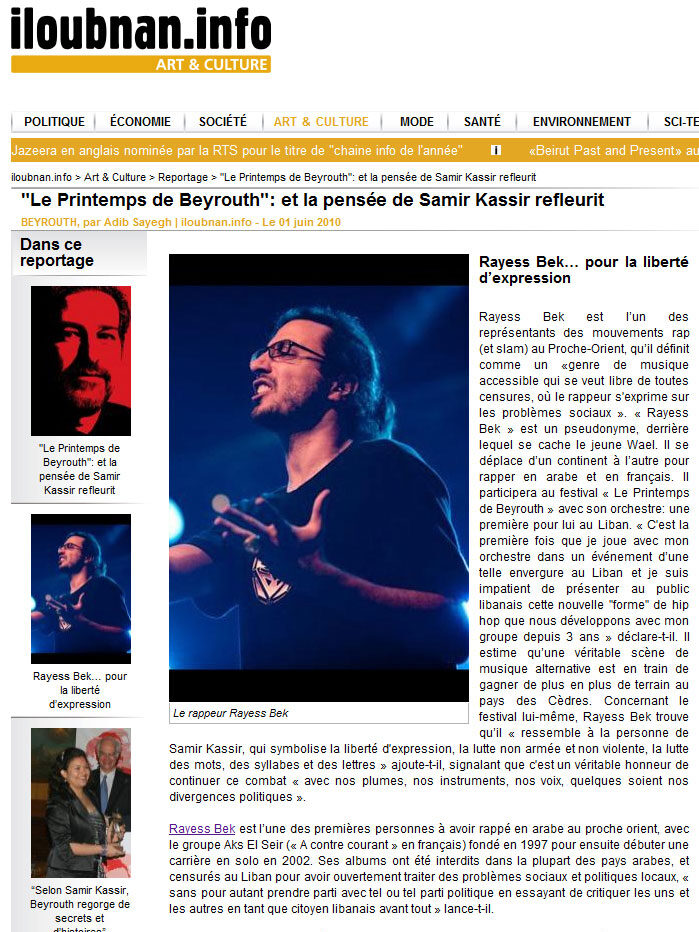
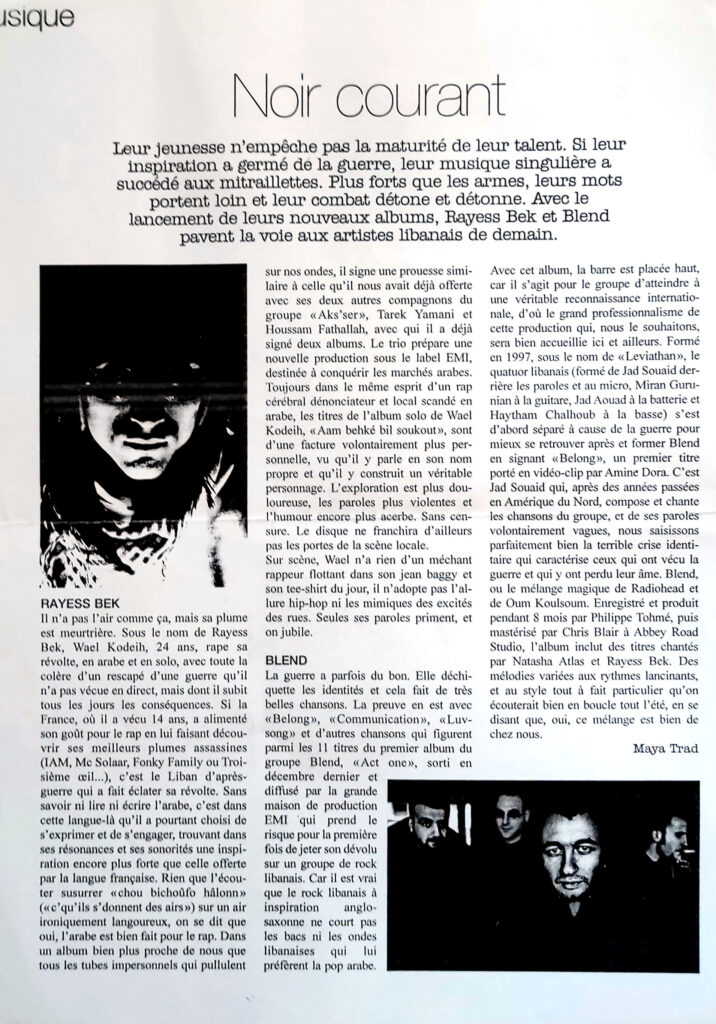
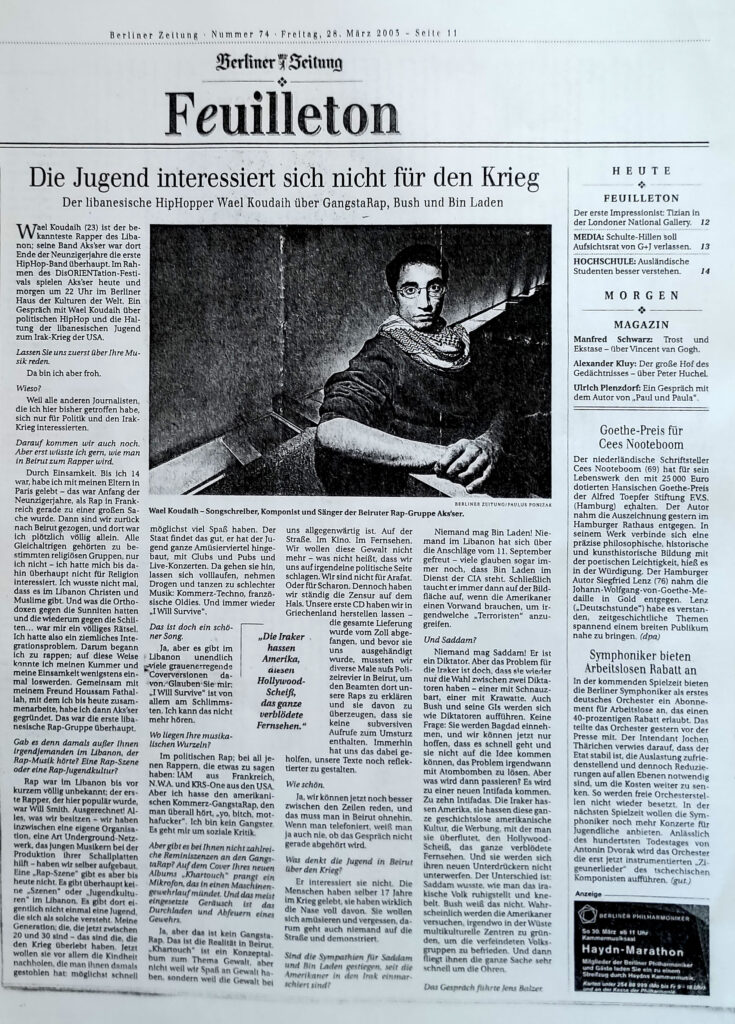
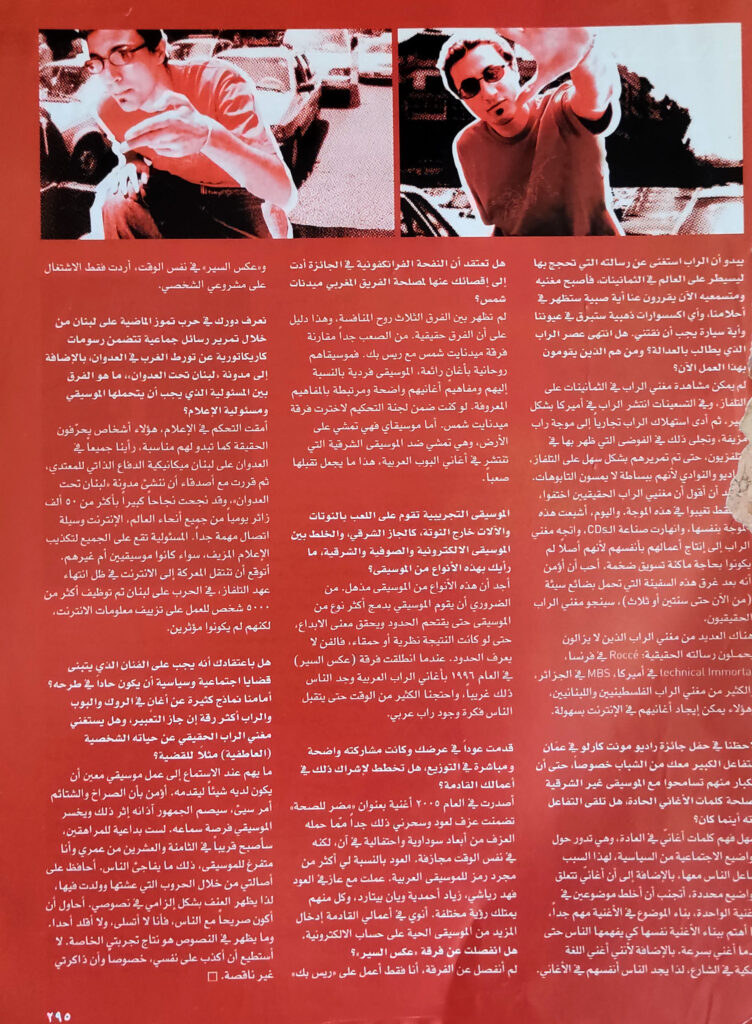
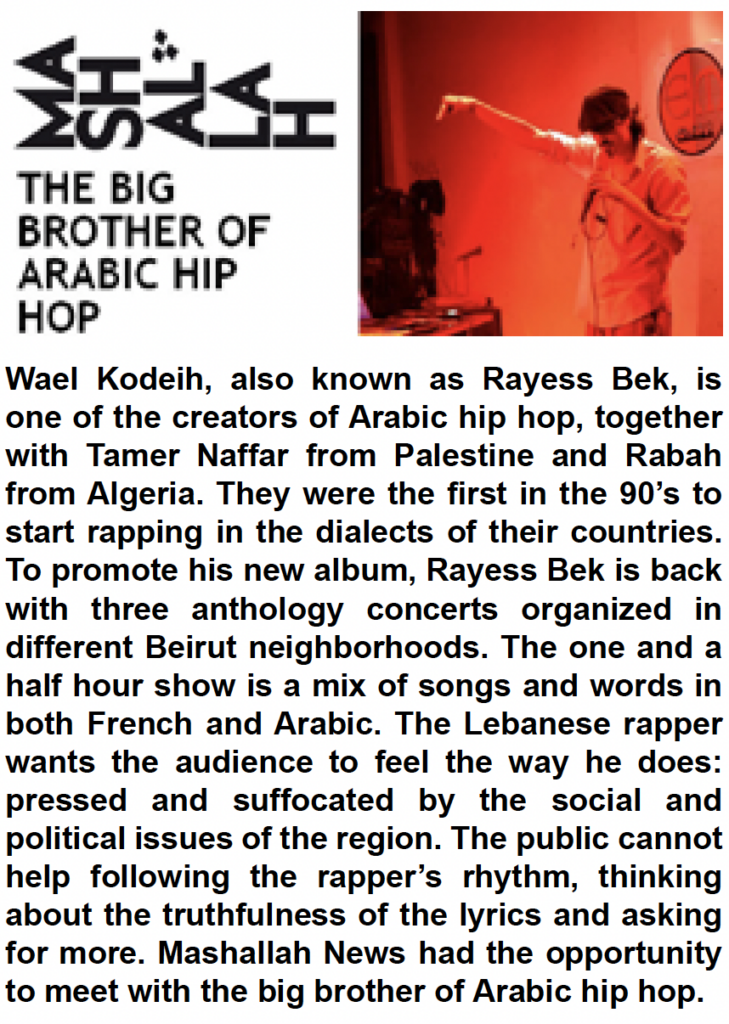
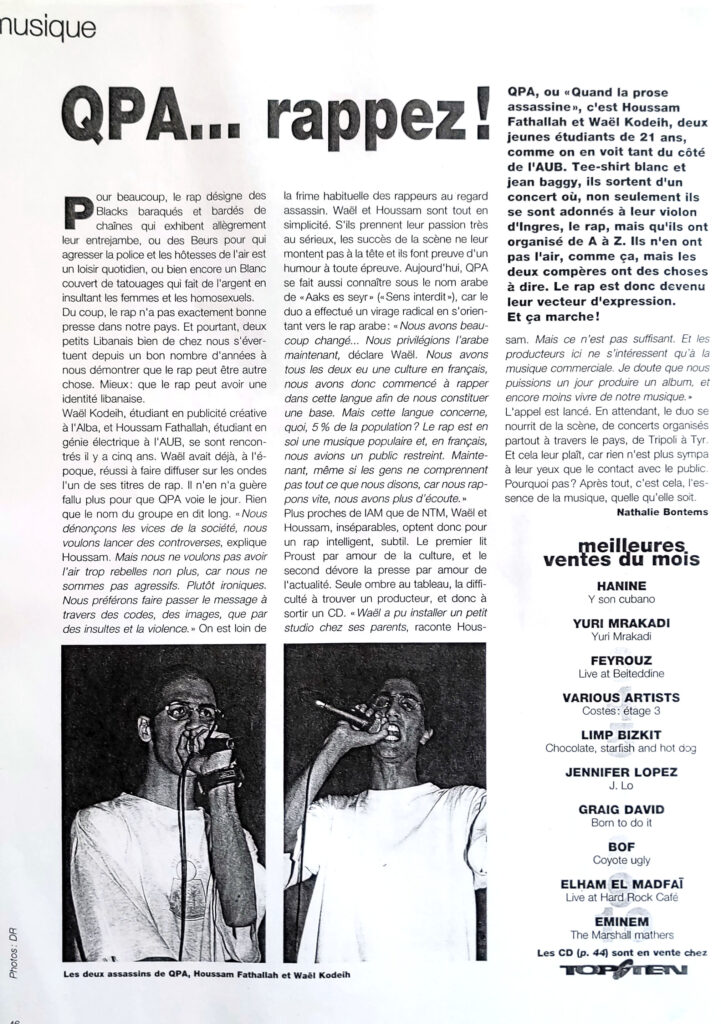
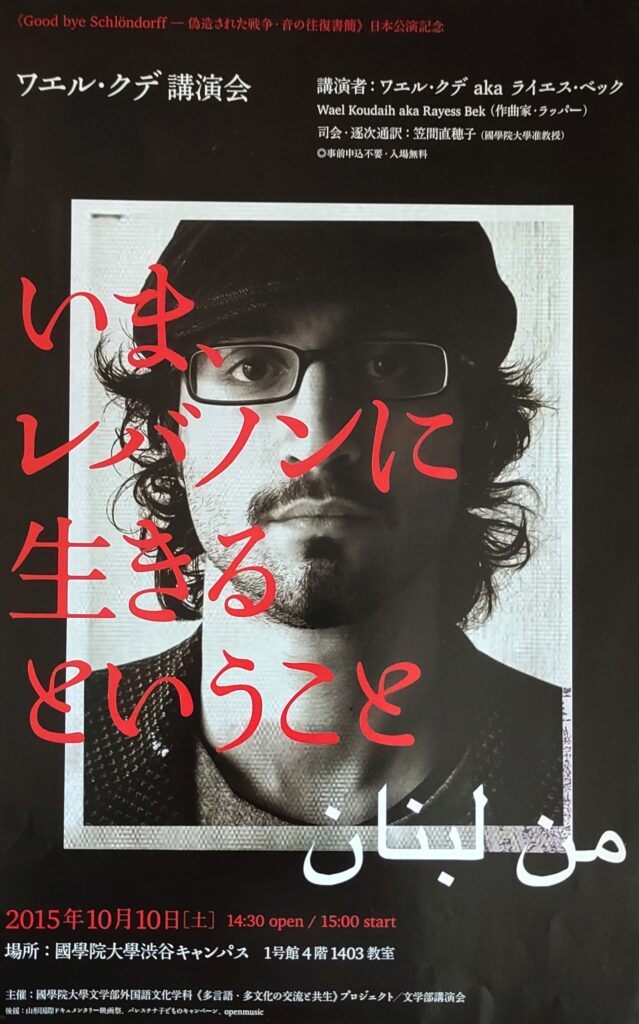
Rayess Bek, born Wael Koudaih, is widely regarded as one of the founding figures of Arabic hip hop in Lebanon and one of the earliest artists in the Arab world to rap consistently in Arabic dialect. Born in 1979 in Nabatieh, South Lebanon, he grew up during and after the Lebanese Civil War, an experience that deeply shaped both his political awareness and his music.
He began rapping at the age of fifteen, influenced by American political hip hop such as Public Enemy and by French rap groups like IAM. What attracted him most was the social and political force of hip hop as a language of resistance and testimony. Rather than copying Western rap styles, he wanted to root hip hop in Lebanese reality, war memory, social injustice, youth frustration, and political hypocrisy.
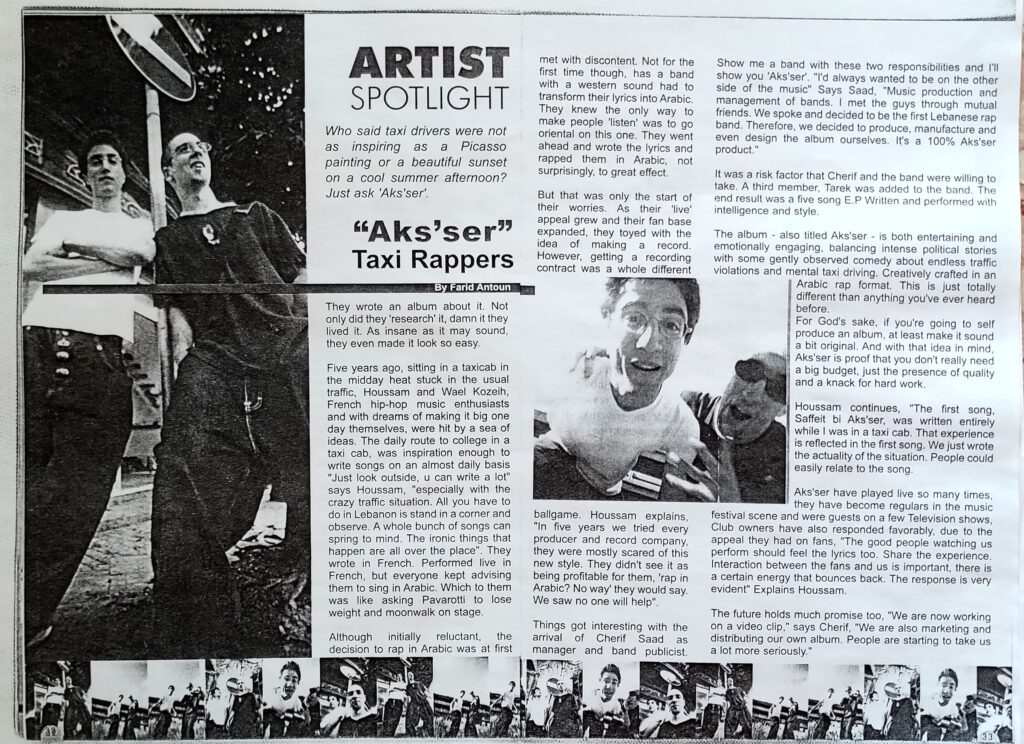
At a time when many Middle Eastern rappers were recording mainly in English, Rayess Bek chose Arabic as his principal language. This was a radical decision in the late 1990s. He believed rap should speak directly to local people in their own language. This made him one of the first artists to truly adapt hip hop to Lebanese and Arab urban life, helping establish what would become Arabic hip hop as a regional movement.
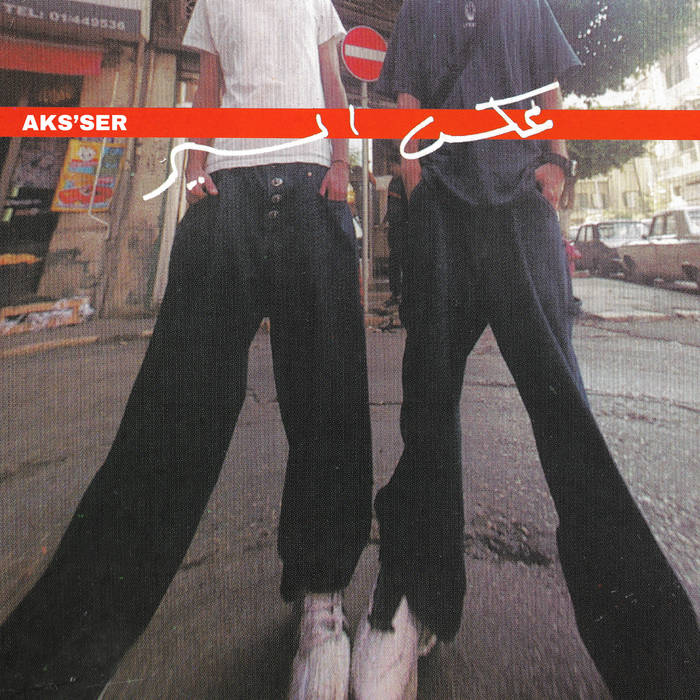
- 1 Aks’Ser : Saffeit bi Aks’Ser 06:03
- 2 Aks’Ser : Ahla Bil Chabeb 02:50
- 3 Aks’Ser : 3rof kif 02:33
- 4 Aks’Ser : Hayete bi hal no2ta 02:37
- 5 Aks’Ser : Habaytek ya Pizza Msa’aa 04:36
- 6 Aks’Ser : Saffeit bi Aks’ser Remix 02:48
Ask’ser
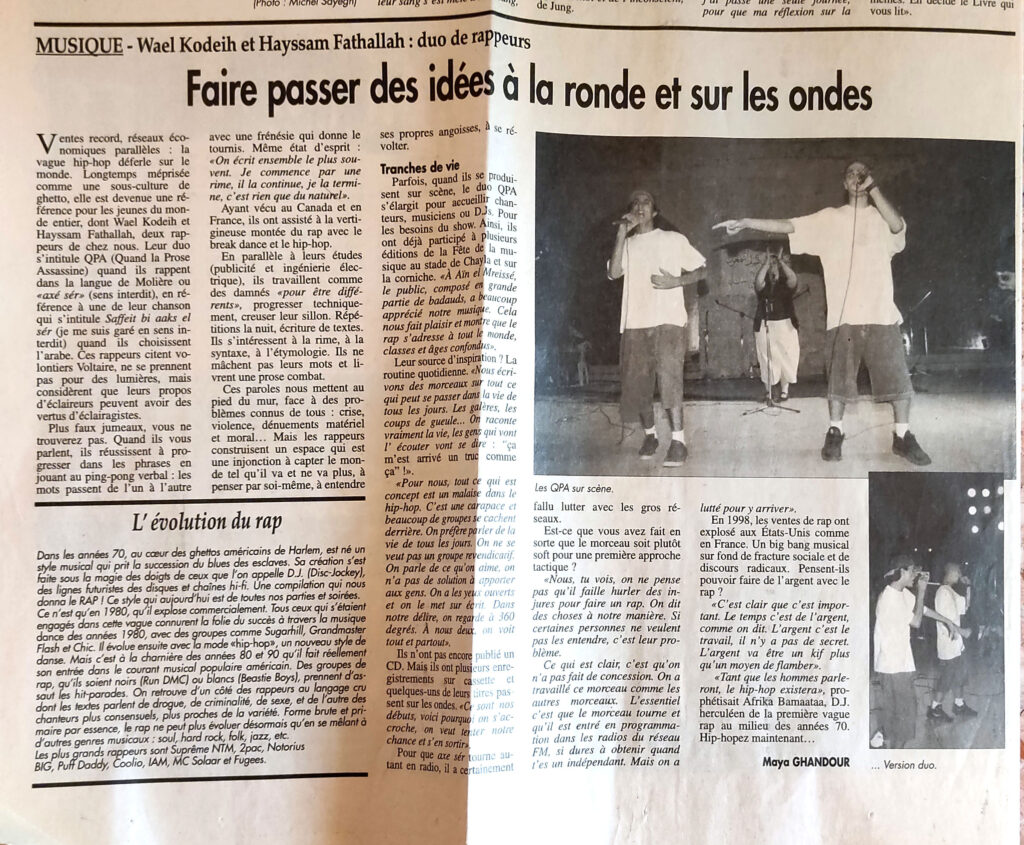
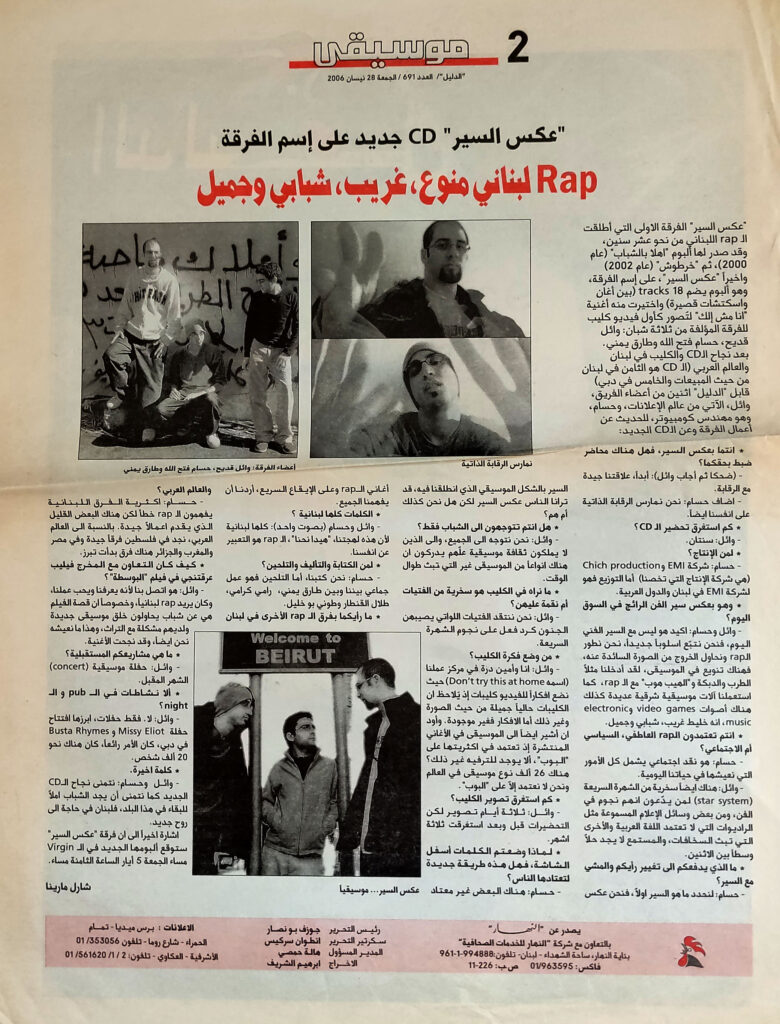
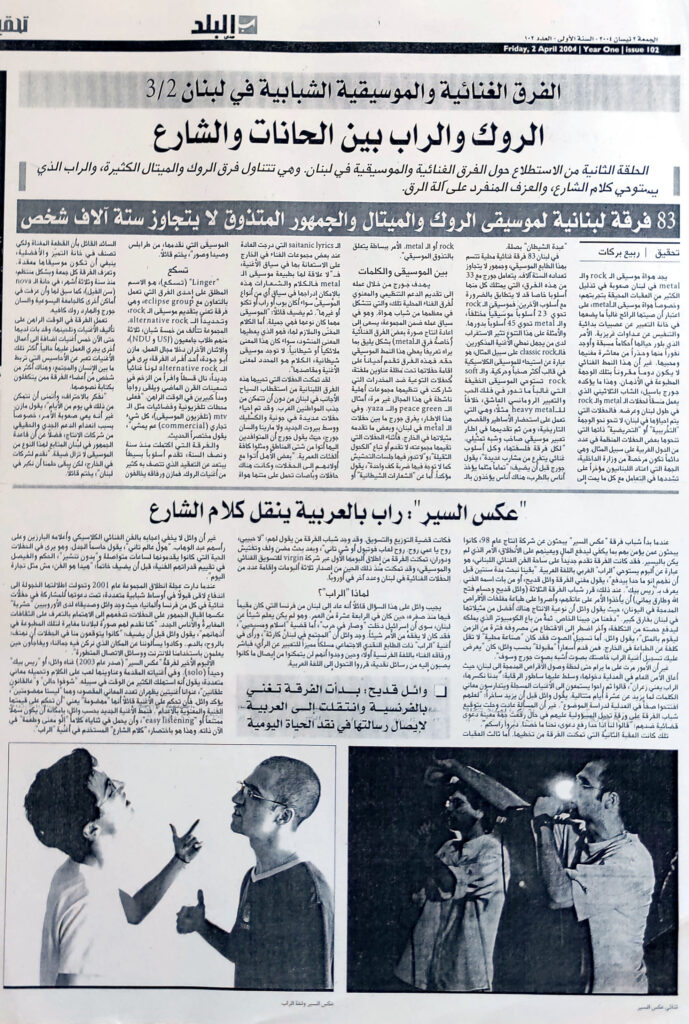
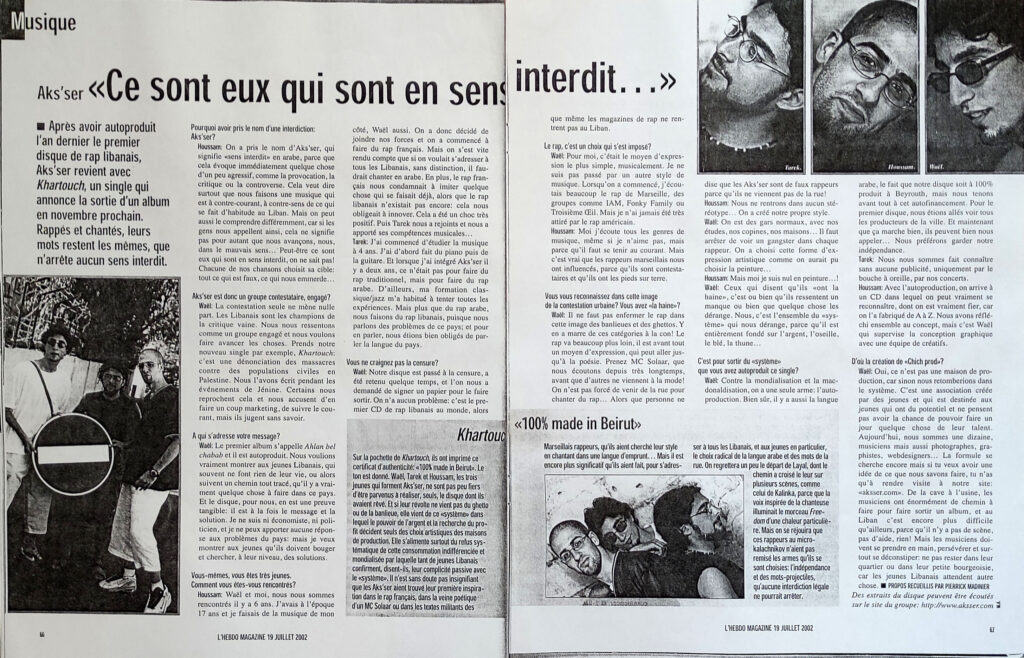
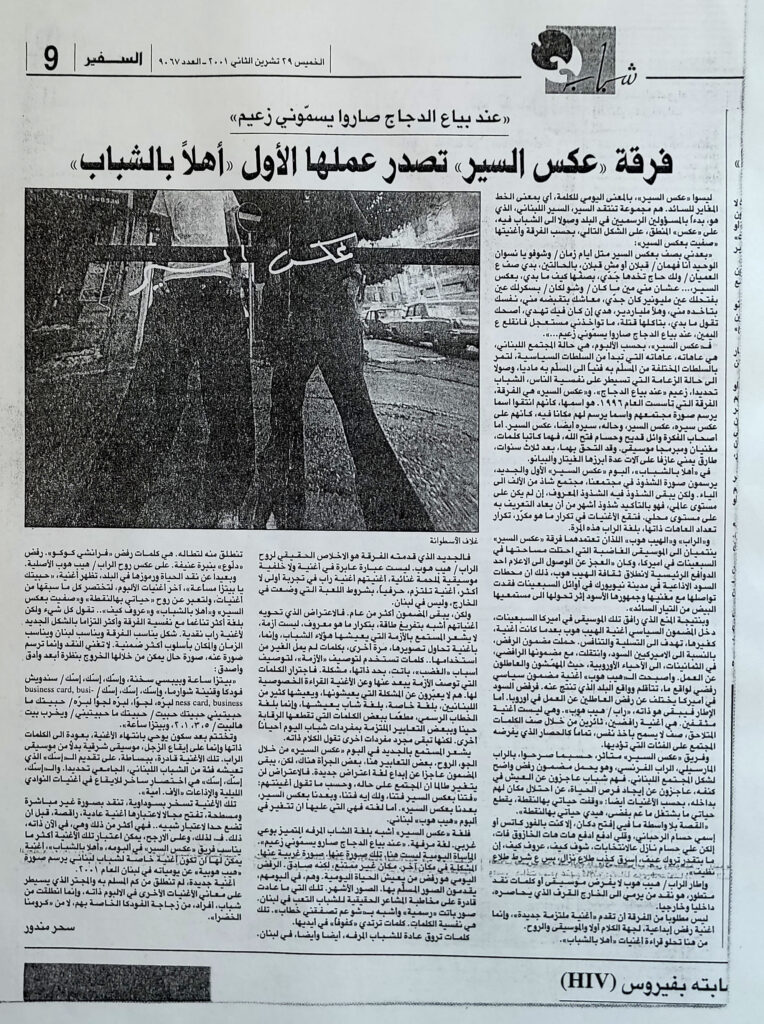
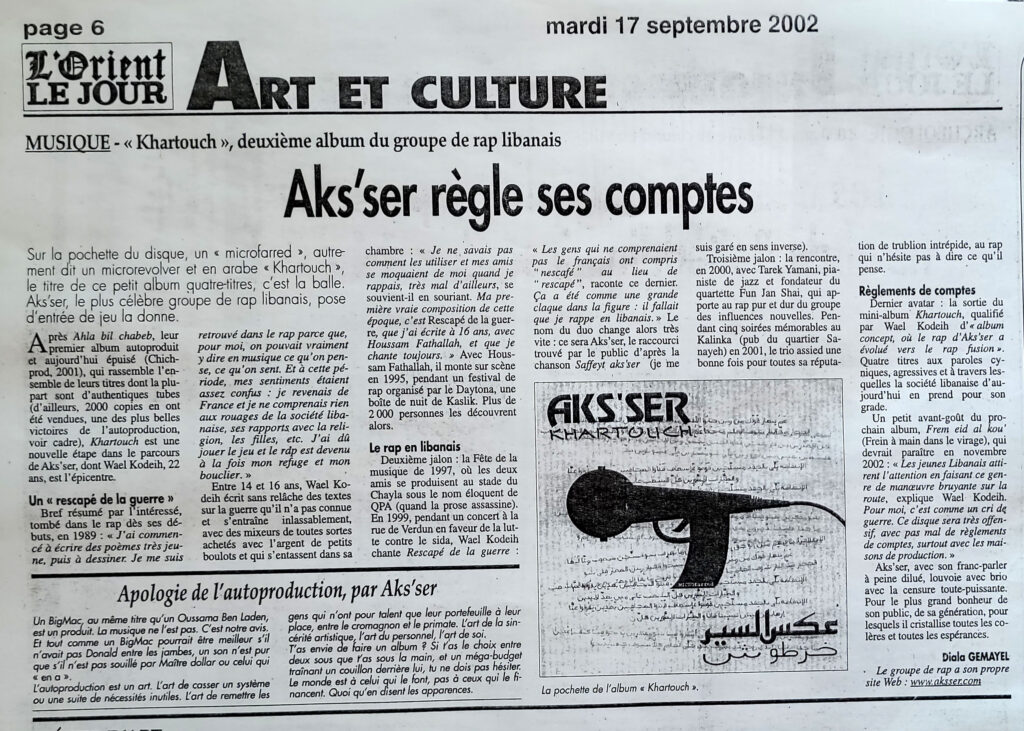
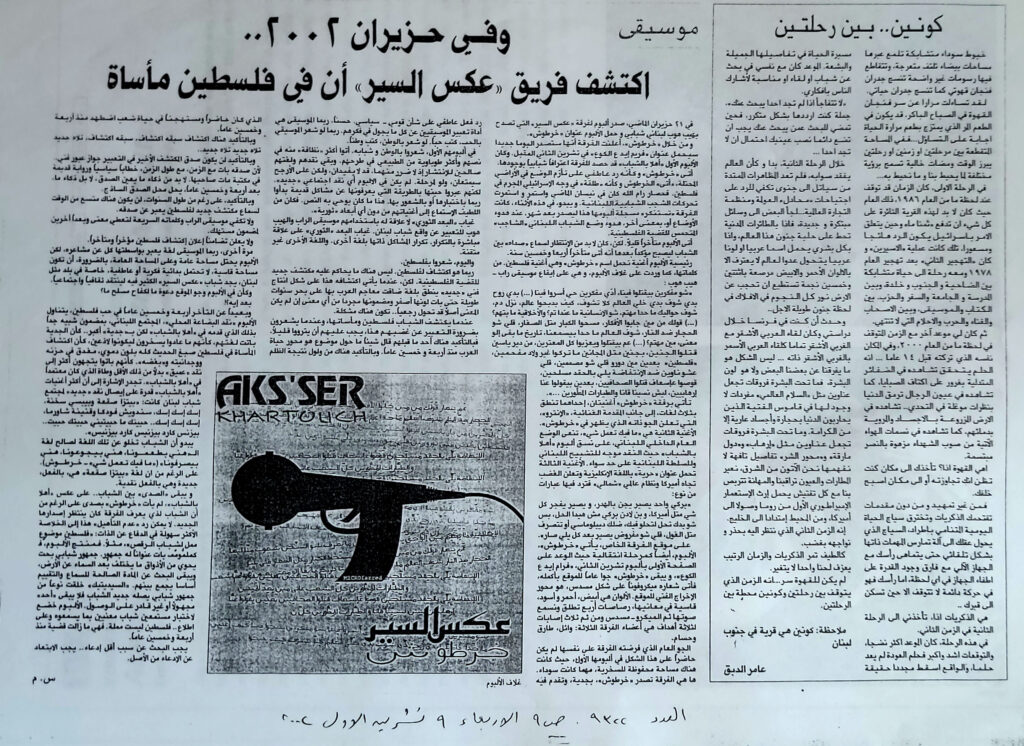
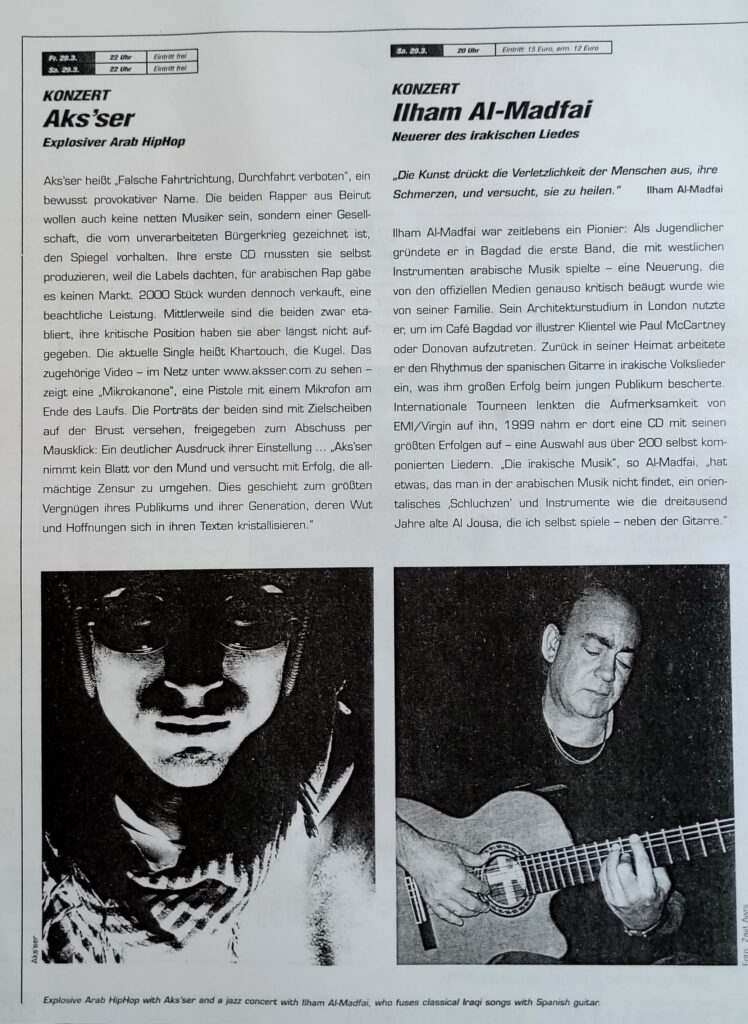
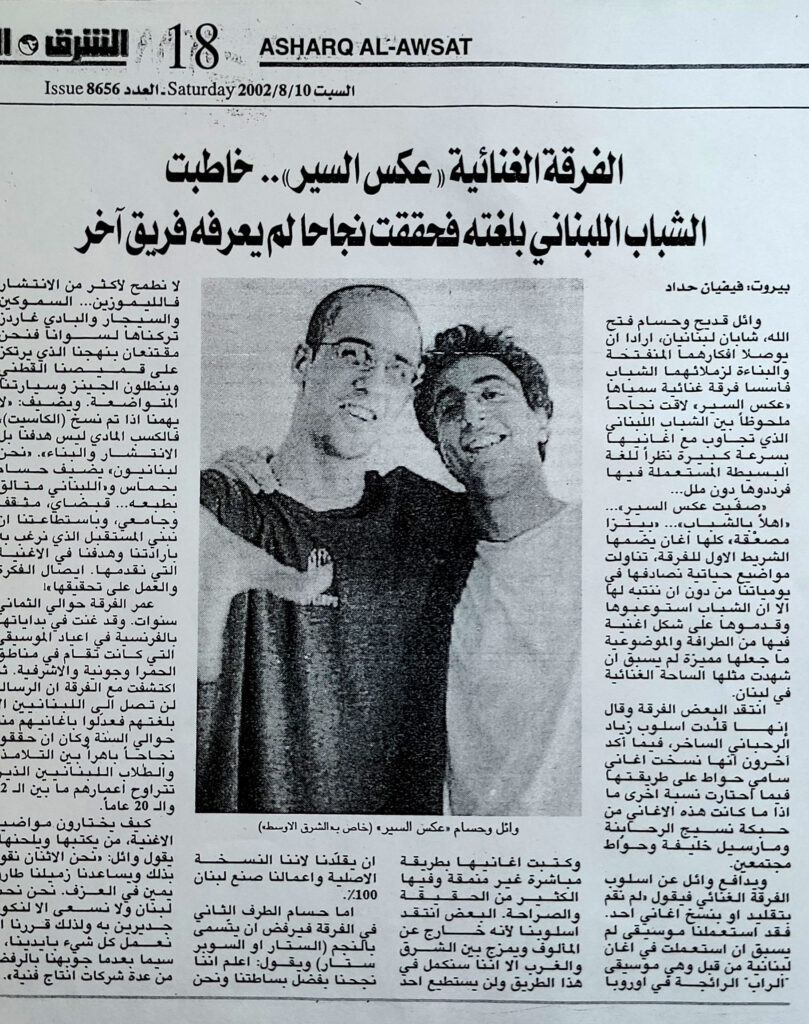
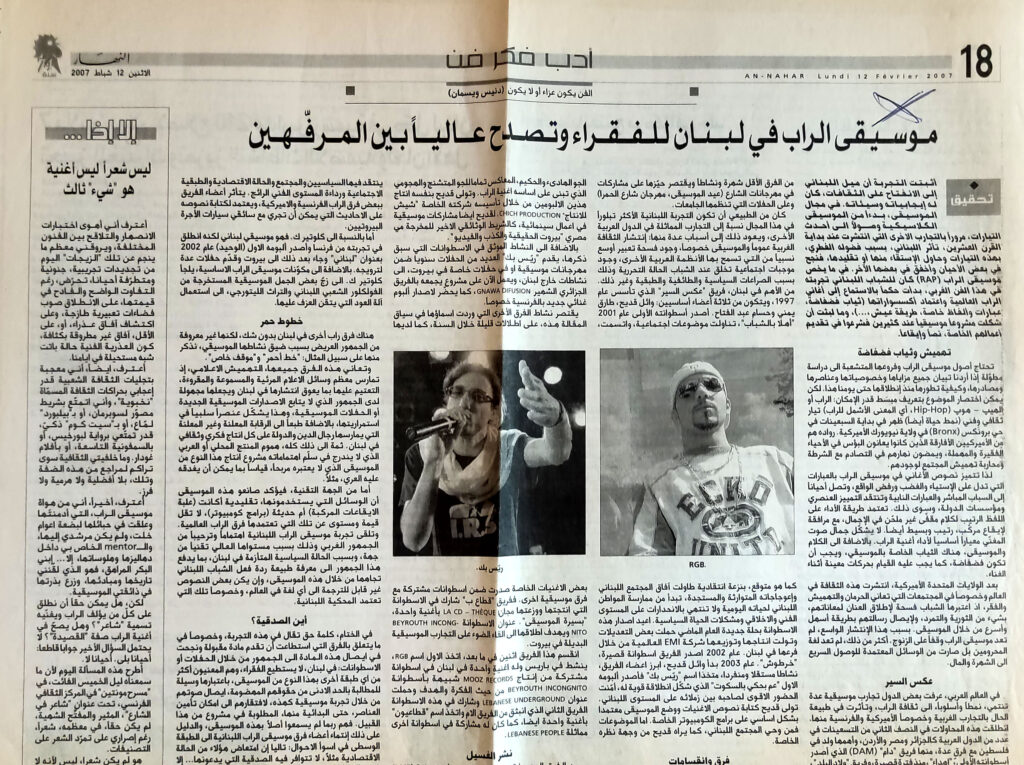
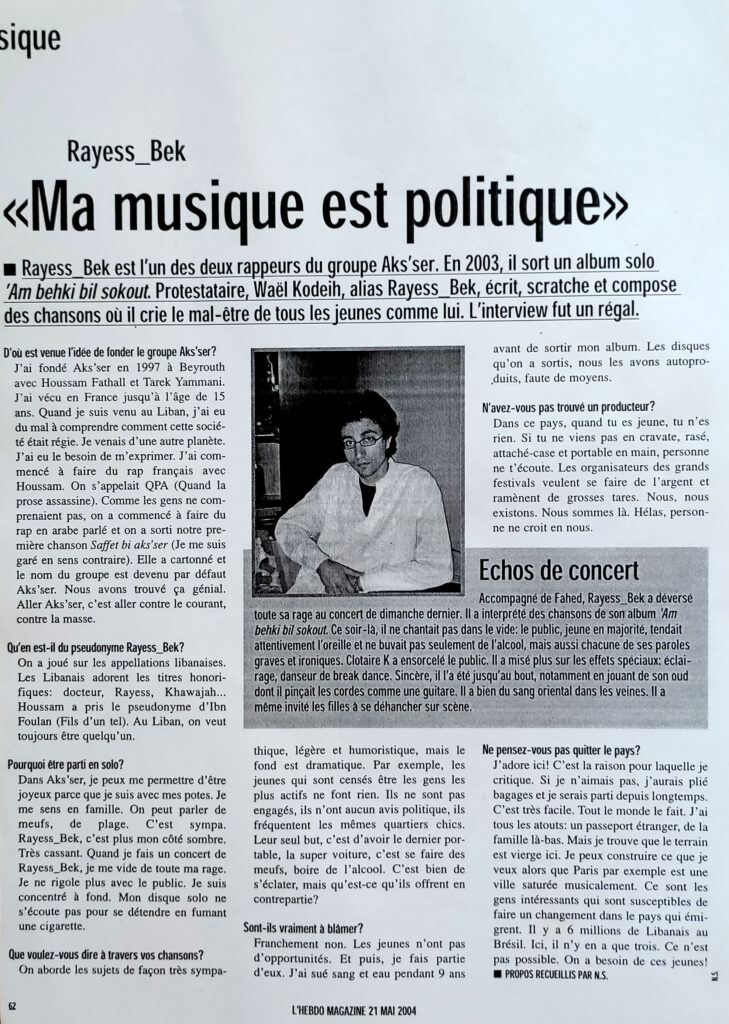
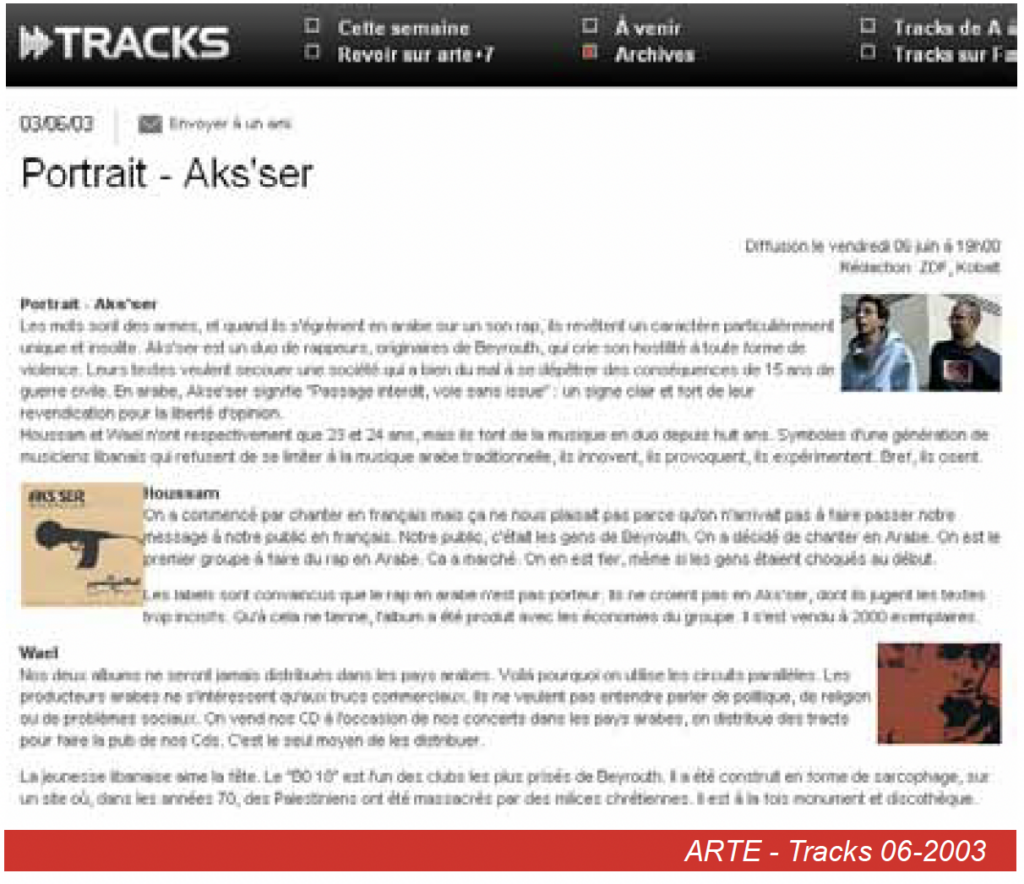
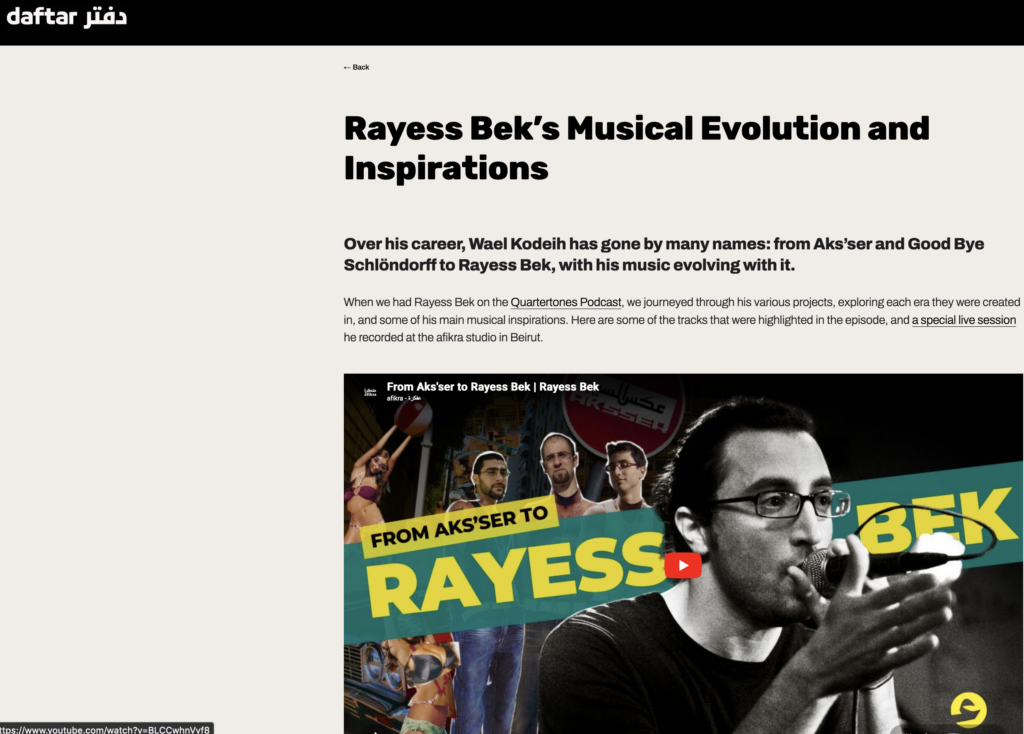
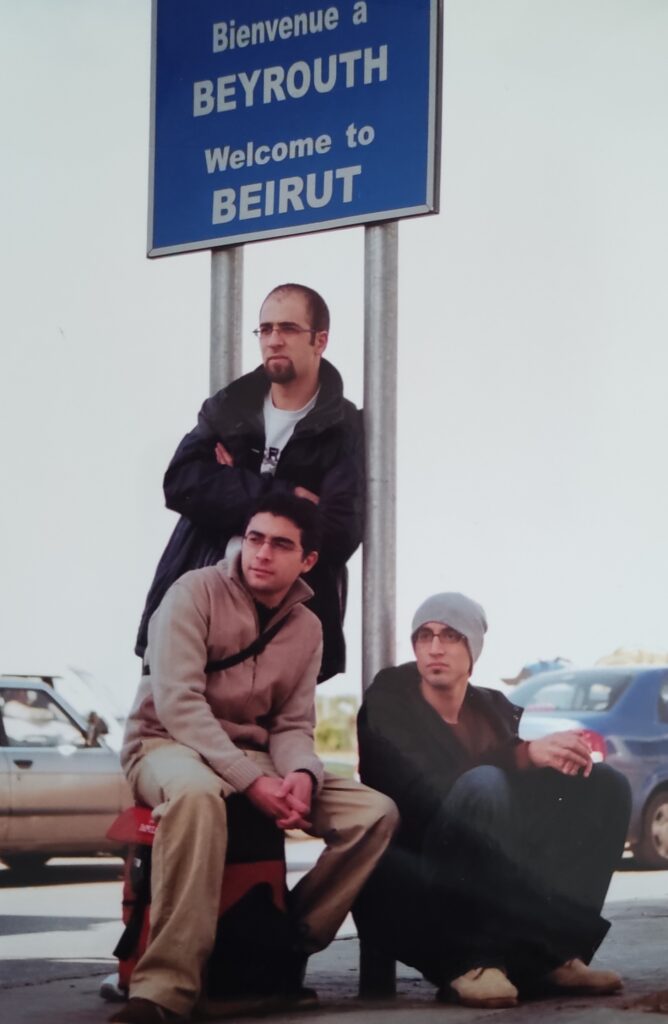
In 1997, Rayess Bek and fellow rapper Eben Foulen, along with Tarek Yamani formed the band Aks’ser. The name roughly translates as “Against the Current”, reflecting their rebellious artistic position and criticism of Lebanese political and social systems. Aks’ser is considered one of the first Arabic rap groups in Lebanon, and often one of the earliest in the wider Arab world. Their music combined: Lebanese Arabic lyrics, sharp political satire, social criticism, urban storytelling, underground beats influenced by East Coast hip hop and local cultural references and wordplay.
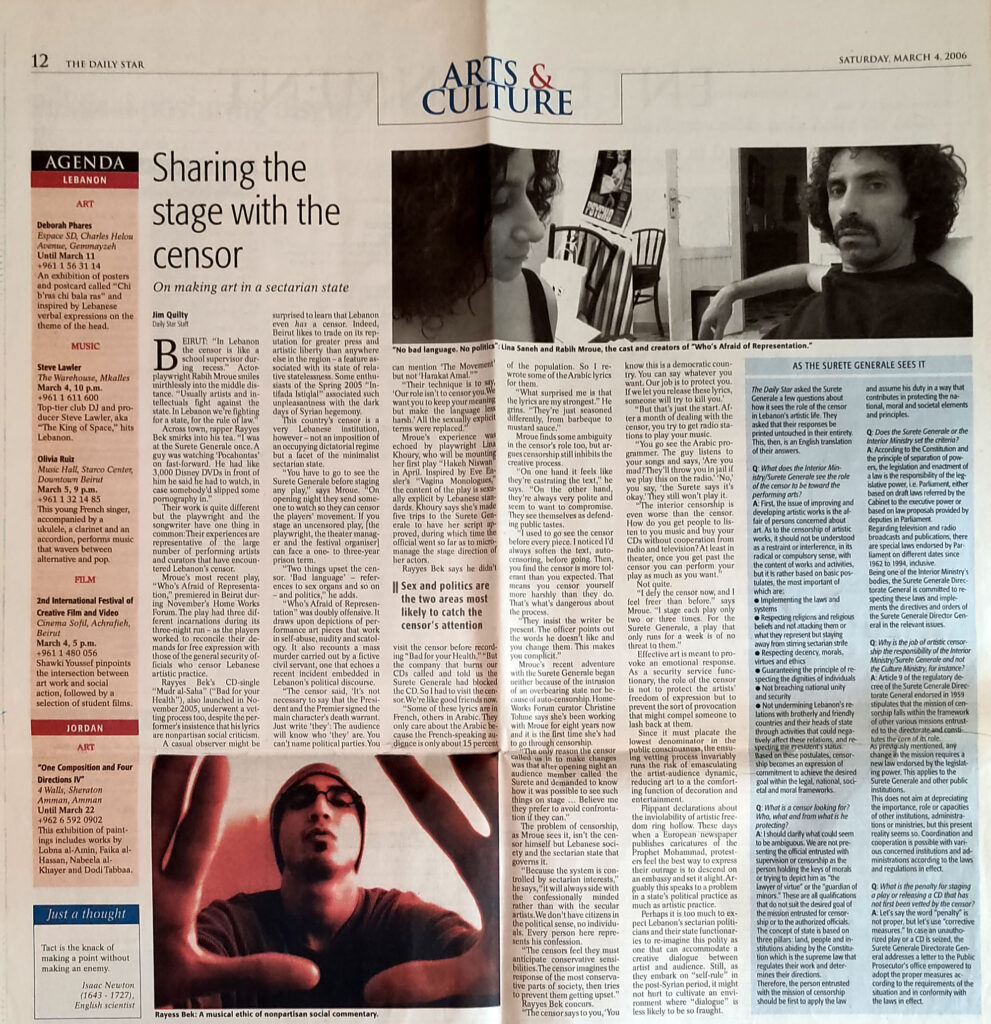
Because censorship was strong in Lebanon during the 1990s, Aks’ser often used irony, metaphor, and coded political language to avoid bans. Rayess Bek later explained that authorities would literally inspect CDs and lyrics, forcing the group to justify every line of their songs. This made their writing sharper and more layered.
Their early releases include:
Ahla bil Chabeb (2000)
Khartouch (2002)
Aks’ser (2005)
These records helped define Lebanese underground rap before the scene became widely recognized. Tracks like “Fetna bi Aks el Seir” are remembered as foundational works of Lebanese hip hop culture. Aks’ser proved that Arabic rap could be serious, literary, and socially engaged, not merely imitation of American hip hop.
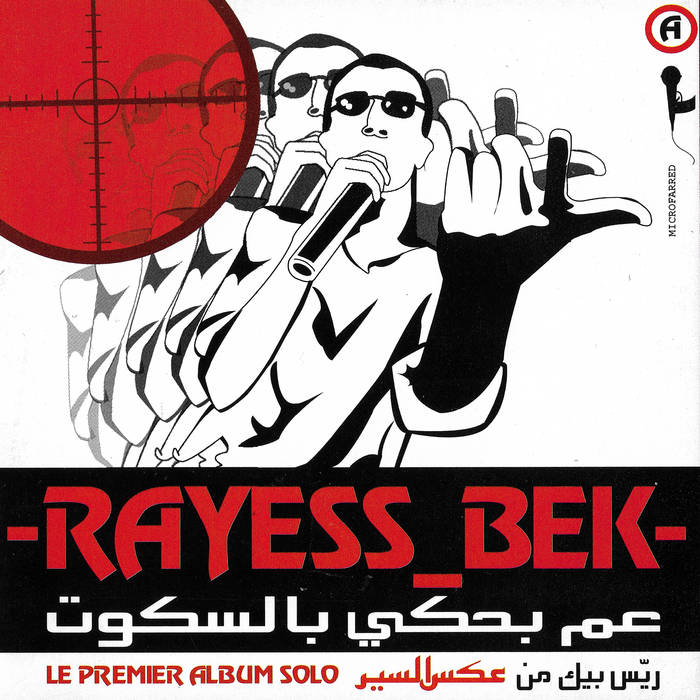
- 1 Rayess Bek : Intro 00:32
- 2 Rayess Bek : Amercaineh 03:00
- 3 Rayess Bek : Baye3 Manem 03:28
- 4 Rayess Bek : 3am Behkeh bil Soukout 03:08
- 5 Rayess Bek : Choufo Halone 04:32
- 6 Rayess Bek : Wara Dahreh 03:08
- 7 Rayess Bek : Hayeteh 02:38
- 8 Rayess Bek : Bi Soukout Remix 03:07
- 9 Rayess Bek : Outro 01:22
Solo Career as Rayess Bek
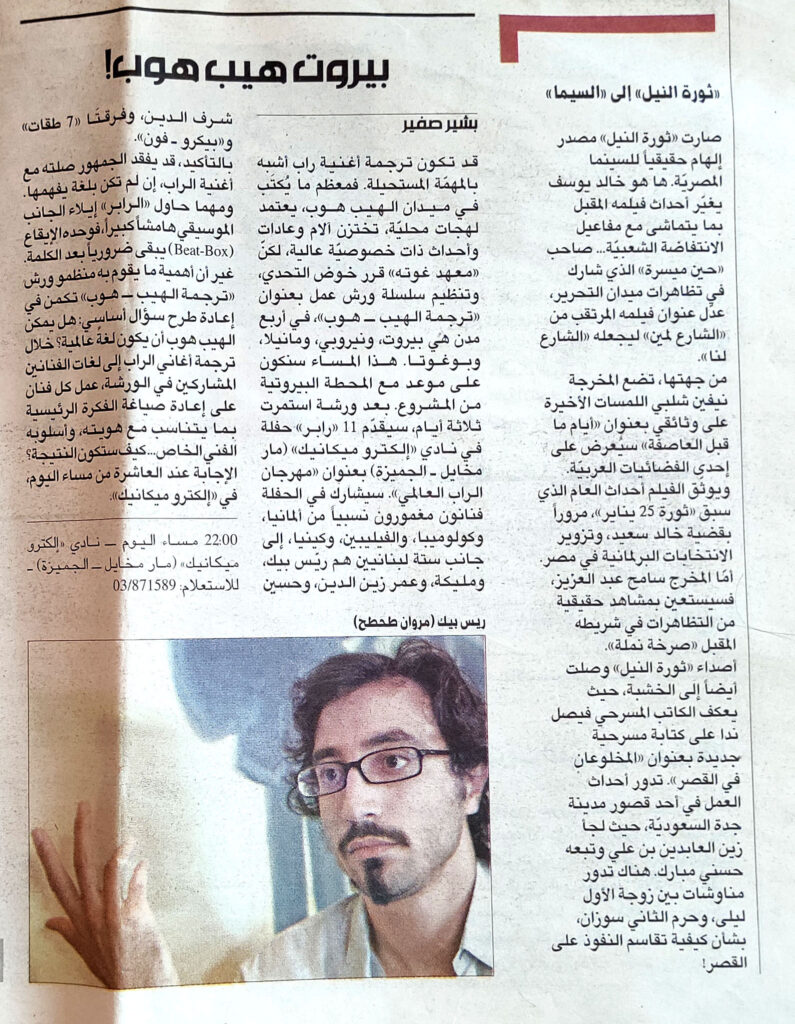
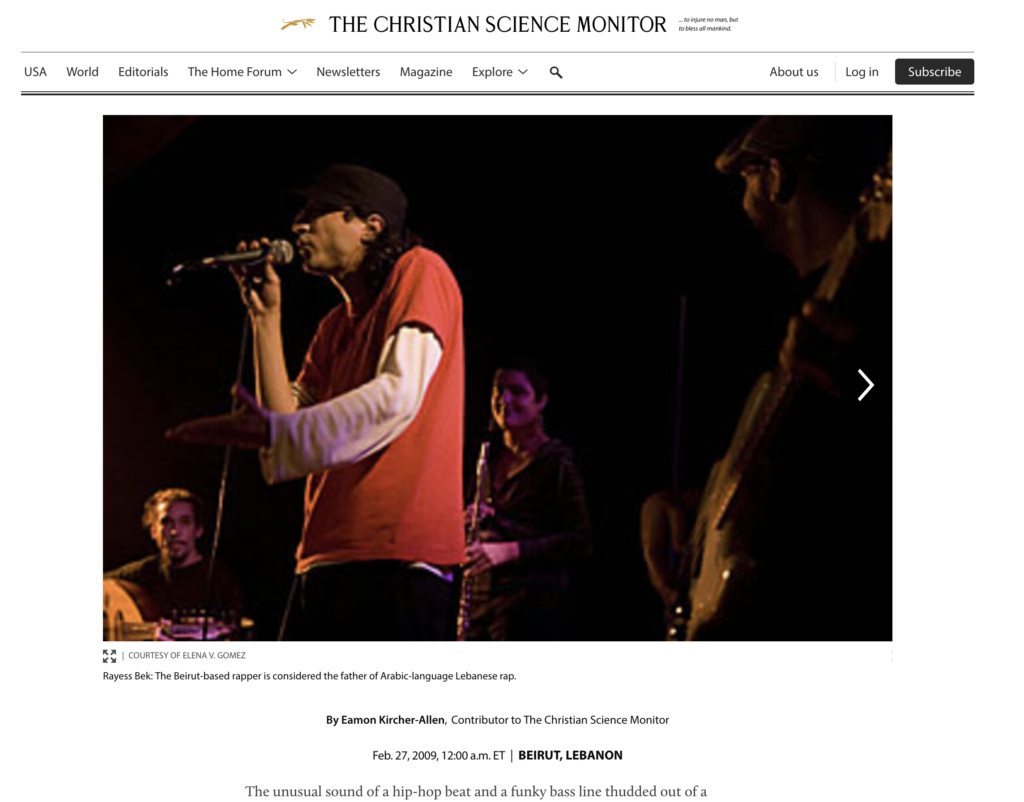
In 2002, Rayess Bek launched his solo career and released his first major solo album: “3am Behkeh bel Sokout” (“I Speak in Silence”). This project established his identity as a politically conscious rapper. His lyrics focused on: war memory, post-war Beirut, corruption, sectarian politics, youth alienation, exile and return, personal identity between Lebanon and France.
He followed with projects such as:
Moder li Saha / Nuit gravement à la santé (2005)
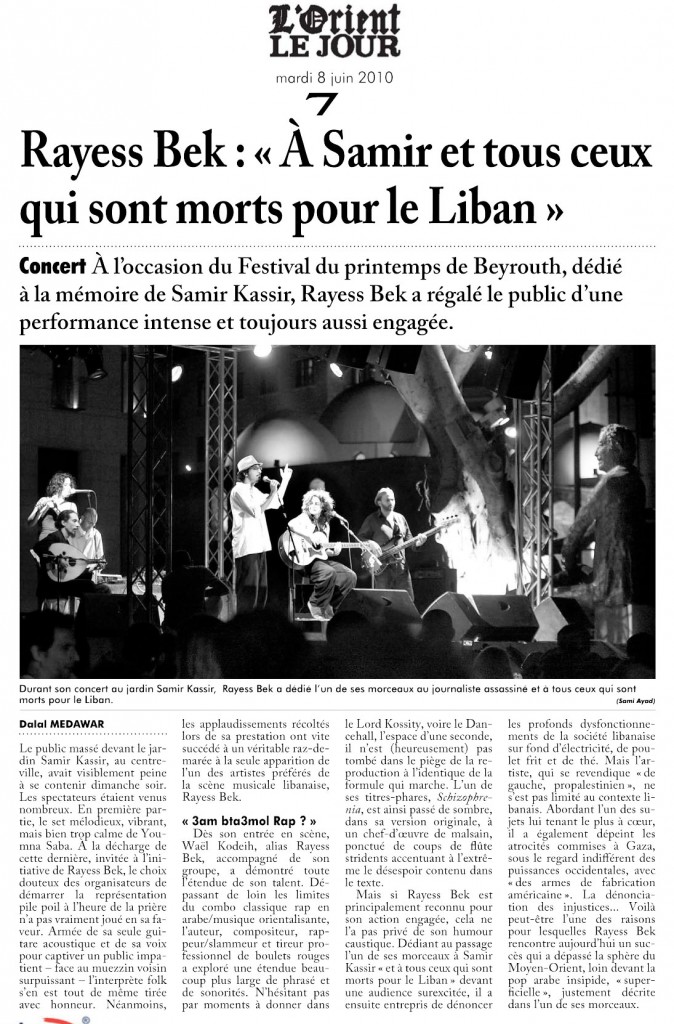
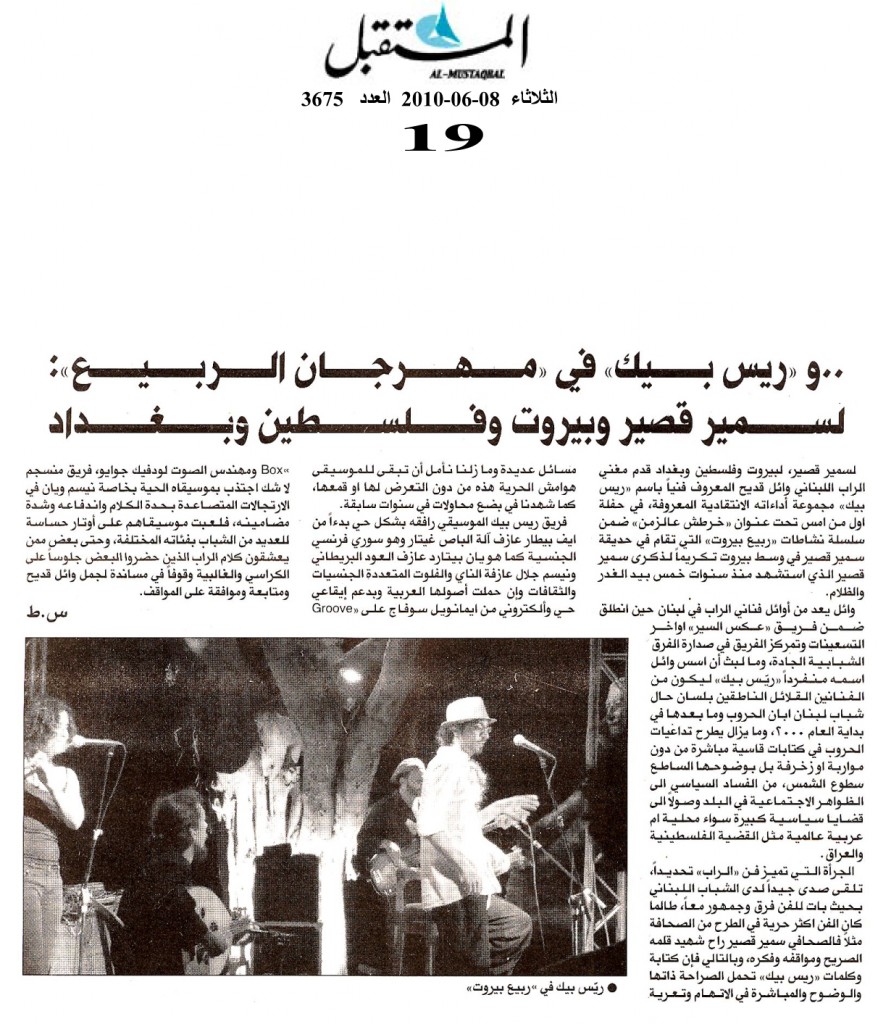
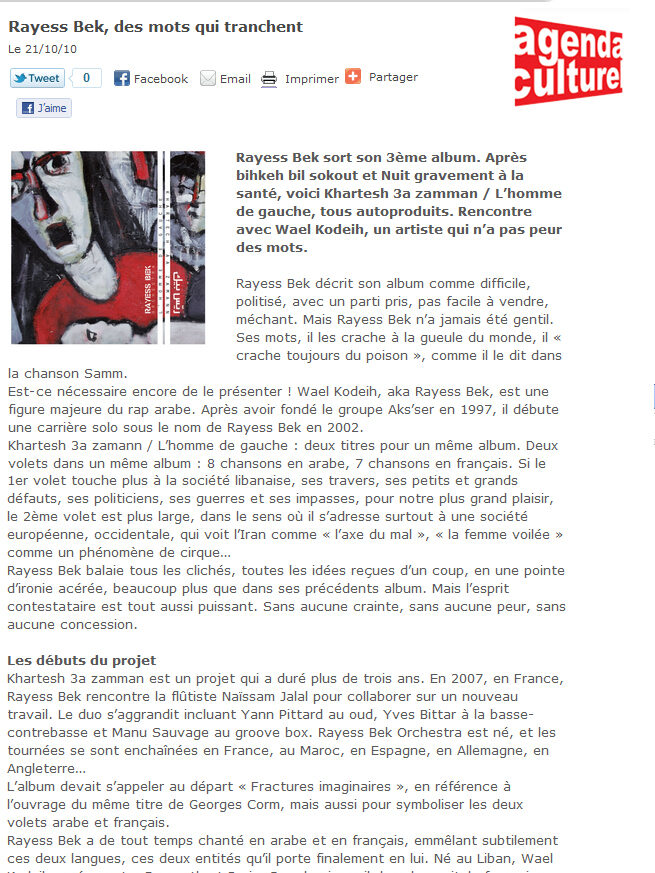
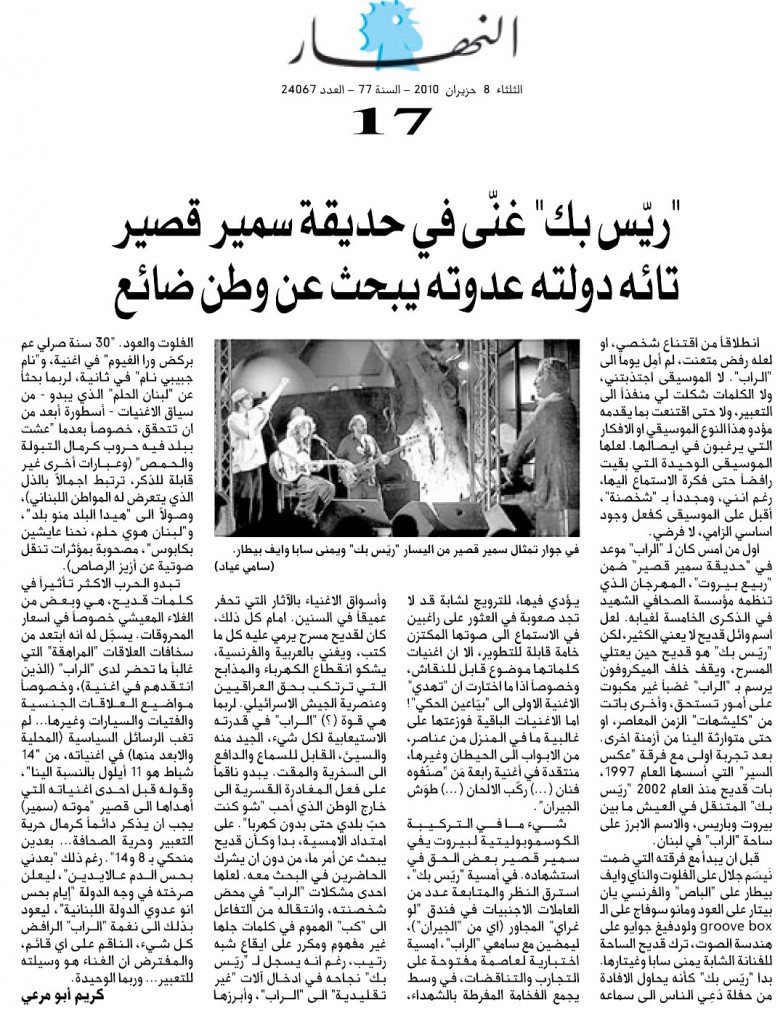
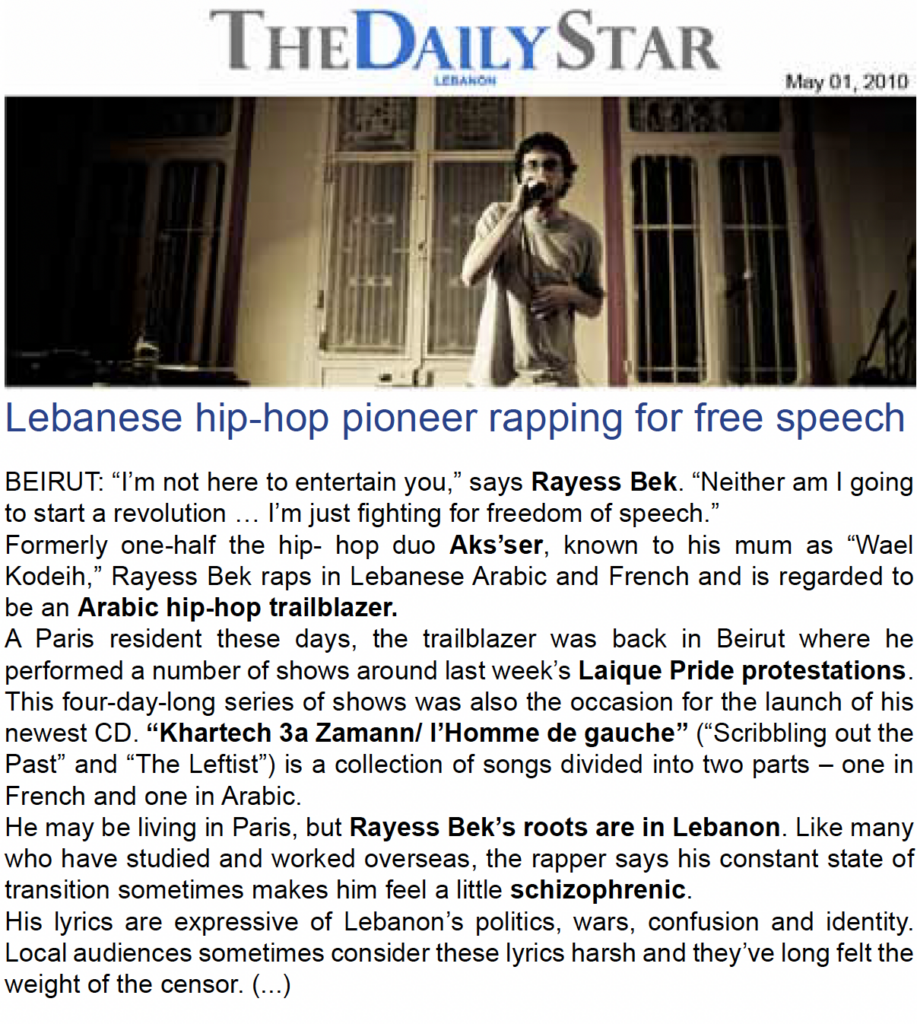
Khartech 3a’ Zamann / L’Homme de gauche (2010)
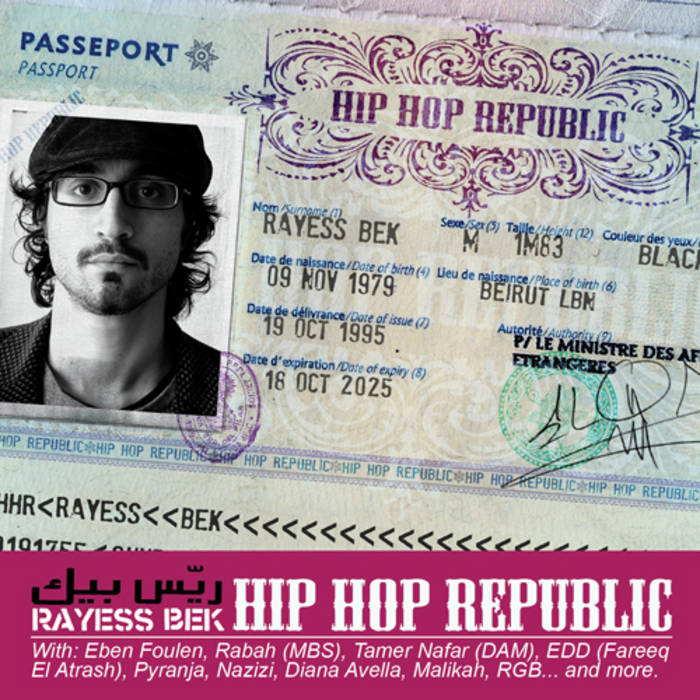
Hip Hop Republic (2011)
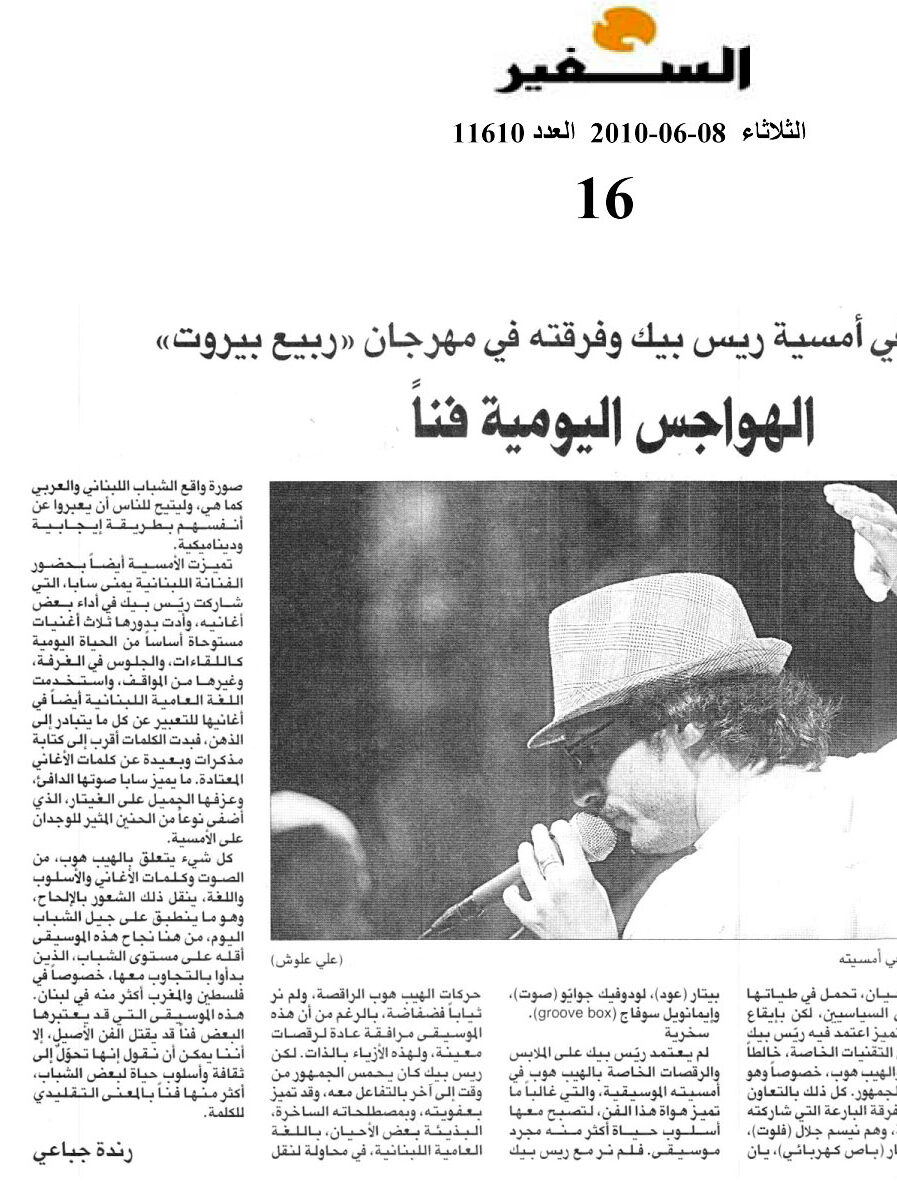
His work increasingly blended rap with oud, nay, orchestral arrangements, Arabic melodic structures and spoken word and slam poetry. This helped create a distinct sound that separated him from standard Western rap production and pushed Arabic hip hop toward something more hybrid and regional.
- 1 Rayess Bek : B-E-I-R-U & T 03:03
- 2 Rayess Bek : Samm Remix 03:10
- 3 Rayess Bek : Soukout Remix 02:10
- 4 Rayess Bek : Lebnen Helem Remix 03:26
- 5 Rayess Bek : Halon Remix 03:20
- 6 Rayess Bek : Lamin Edd Remix 04:07
- 7 Rayess Bek : Bi Faneh Farid 04:43
- 8 Rayess Bek : Schizophrenia Remix 04:23
- 9 Rayess Bek : Madinet Beirut 03:07
- 10 Rayess Bek : Rap Remix 02:59
- 11 Rayess Bek : Manem Remix 03:56
- 12 Rayess Bek : Al Shou3ara2 03:51
- 13 Rayess Bek : Lamin Eben Foulen Remix 03:22
Legacy
Rayess Bek is often mentioned alongside artists like Tamer Nafar (DAM) and Rabah Ourad (MBS) as one of the earliest architects of rap in Arabic dialect across the region. His significance lies not only in being “first,” but in proving that hip hop could be intellectually serious, politically sharp, and culturally rooted in Arab realities.
He helped transform rap in Lebanon from imitation into authorship.Without Aks’ser and Rayess Bek, much of the later Lebanese and Arab hip hop scene, from conscious rap to political underground movements, would likely have taken a very different shape.
He remains not just a rapper, but a bridge between poetry, protest, memory, and modern Arab music.

Press